Award-winning French author accused of using AI to write their latest novel
This week, French literary circles found themselves in an uncomfortable new kind of controversy. Thélyson Orélien, a Haitian-Canadian author who just won the…
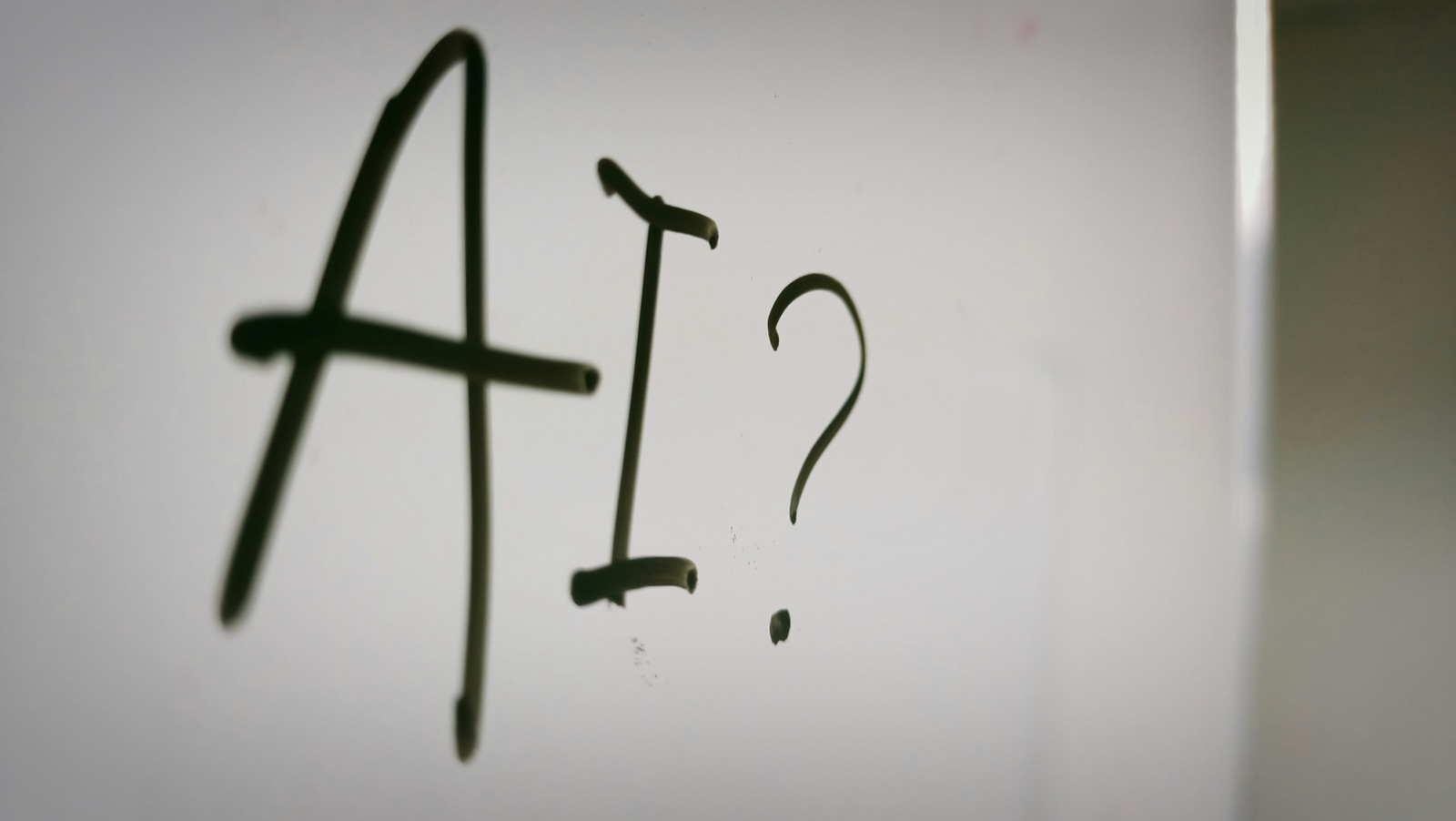
This week, French literary circles found themselves in an uncomfortable new kind of controversy. Thélyson Orélien, a Haitian-Canadian author who just won the Prix du Roman Fnac and is shortlisted for two of France’s most prestigious literary prizes, was publicly accused of using AI to write his debut novel, C’était ça ou mourir.
The accusation didn’t come from a rival author or a disgruntled critic. It came from an online group that ran passages of his manuscript through an AI-detection tool and declared the results conclusive: the writing was, in their words, completely machine-generated. Orélien denies it entirely, says he began drafting the book in 2019 — years before generative AI tools were widely available — and is now compiling evidence with his publisher to defend his authorship. His publishing house has called the accusation deeply unfair to a writer with a genuinely remarkable life story.
Here’s the part that should worry anyone who cares about intellectual property, not just novelists: the tool used to make this accusation cannot actually know who wrote anything. AI detectors don’t compare a text to a known source. They look for statistical patterns — word choice, sentence rhythm, predictability — that AI-generated text tends to have. But human writing can accidentally mimic those patterns too, especially writing shaped by translation, dialect, or a distinctive rhythmic style, which is exactly the kind of writing Orélien says defines his Haitian and Caribbean literary voice. Researchers have repeatedly found these tools produce both false positives and false negatives, particularly once text has been edited or paraphrased.
This isn’t the first time it’s happened this year. A Commonwealth Short Story Prize winner had his award pulled in the summer over identical allegations, only to have it reinstated once organizers were satisfied the work was genuinely his. Each time, the pattern is the same: an accusation lands fast, a reputation takes the hit immediately, and the actual proof of authorship — timelines, drafts, originals — has to be assembled defensively, after the fact, under public pressure.
That’s the structural problem worth sitting with. Right now, the burden of proving “I made this, and I made it when I say I did” falls entirely on the creator, and only after someone else has already made the accusation publicly. There is no default record that establishes provenance before the dispute starts. A writer, a designer, a musician, a founder with a pitch deck — almost nobody creates with a built-in, timestamped, tamper-evident record of when their work existed and in what form.
AI didn’t invent this problem, but it has dramatically raised the stakes. As AI-generated content becomes harder to distinguish from human work by ear or by eye, and as detection tools remain — by researchers’ own admission — inconsistent, the question of “prove you made this” is going to come up more often, not less. It will hit authors, but it will also hit software developers, designers, musicians, and inventors, especially anyone whose work has an unconventional style that a pattern-matching algorithm hasn’t seen enough of.
The fix isn’t to trust detection tools more. It’s to stop relying on detection at all, and instead give creators a way to establish authorship and timing before anyone questions it — a verifiable, independent record created at the moment of authorship, not reconstructed defensively months later. That’s the gap platforms like CertifyIP exist to close: giving creators and businesses a way to certify and timestamp their work as it’s made, so provenance isn’t something you have to prove under pressure — it’s something you already have.
Orélien may well clear his name. But the fact that a Fnac Prize winner has to “compile a dossier” to prove he wrote his own book is a warning sign for every creator and IP owner watching. The question isn’t whether your work will ever be challenged. It’s whether you’ll have the proof ready when it is.
Originally published on Medium. Join the conversation there.
Try it on one file.
Free to start · no credit card required
Keep reading
 THOUGHT LEADERSHIP
A Prize-Winning Microscope Video Is Under Investigation. The Real Question Is: Where’s the Proof?
2 Oct 2026 · 5 min readTHOUGHT LEADERSHIPAward-winning French author accused of using AI to write their latest novel
25 Sept 2026 · 4 min read THOUGHT LEADERSHIP